
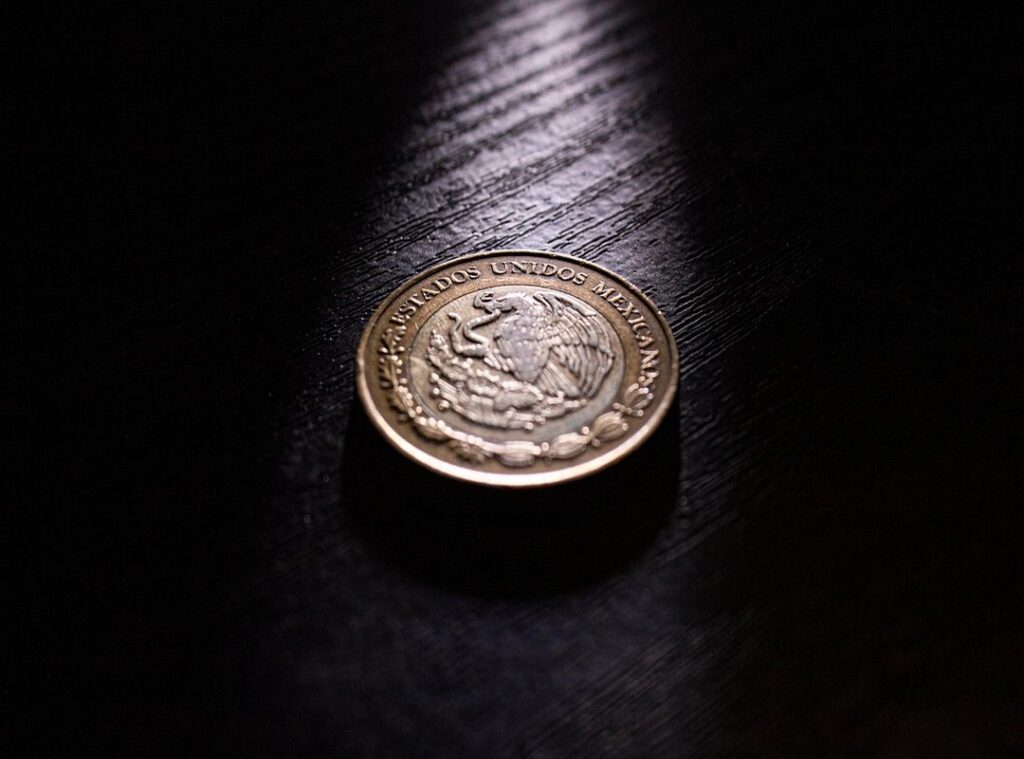
1500 Mexican Pesos (MXN) is worth 1500 pesos mexicanos a peso chileno in Chilean Pesos (CLP) based on the current exchange rate as of [current date].
You might be planning a trip, sending money, or shopping online. Whatever your reason, I get it, and currency conversion can be confusing.
I’ll break down what drives the exchange rate and how to get the best deal. You need to know this stuff to avoid common pitfalls.
This guide will make the process simple. Trust me, understanding the mechanics of currency exchange can save you a lot.
Understanding the MXN to CLP Exchange Rate Today
An exchange rate is just the price of one currency in terms of another. Simple, right?
MXN stands for Mexican Peso, and CLP is the Chilean Peso. Got it?
The current mid-market rate for MXN/CLP is the ‘real’ rate before banks and services add their fees. This is the rate you should aim to get as close to as possible.
Here’s a quick look at the rate over the past 90 days:
– 30 days ago: 54.5
– 60 days ago: 55.2
– 90 days ago: 56.0
You might notice that the rate you see on Google is different from what you get at a bank or money transfer service. Why, and because they add a spread or margin.
It’s how they make money.
If 1 MXN = 55 CLP, then 1500 pesos mexicanos a peso chileno equals 82,500 CLP (1500 * 55), before any fees are applied. That’s the math.
Understanding these rates can help you make better financial decisions. It’s all about getting the best deal.
What Drives the Value of the Mexican and Chilean Peso?
Oil Prices and Trade with the US for Mexico
Let’s talk about Mexico. The value of the MXN is heavily influenced by oil prices. As a major oil exporter, when global oil prices go up, the MXN tends to strengthen.
But it’s not just about oil. Mexico’s trade relationship with the United States is a big deal too. When trade flows smoothly, the MXN benefits.
But any hiccups in that relationship can send the currency into a tailspin.
Copper Prices for Chile
For Chile, it’s all about copper, and chile is the world’s largest copper producer. When copper prices are high, the CLP gets a boost.
It’s simple: more demand for copper means more money flowing into Chile, which strengthens the peso. But if copper prices drop, the CLP can plummet. It’s a double-edged sword.
Central Bank Interest Rates
Interest rates set by central banks play a crucial role. In Mexico, Banco de México, and in Chile, Banco Central de Chile, both have the power to influence their respective currencies. Higher interest rates can attract foreign investment, boosting the currency.
Lower rates can do the opposite, and it’s a delicate balance. Bavayllo
Political Stability and Investor Sentiment
Political stability and investor sentiment in Latin America can also cause short-term volatility. If there’s unrest or uncertainty, investors might pull out, causing the MXN and CLP to weaken. Conversely, a stable political environment can keep the currencies strong.
Think of a currency’s value like a stock price. It goes up or down based on the country’s economic health and global demand for its exports. For example, 1500 pesos mexicanos a peso chileno can fluctuate based on these factors.
It’s frustrating, isn’t it? You’re just trying to make smart financial decisions, but you’re at the mercy of global markets and political whims. But understanding these key drivers can help you navigate the ups and downs.
Best Ways to Exchange 1500 MXN for CLP: A Practical Comparison

When you’re looking to exchange 1500 pesos mexicanos a peso chileno, you’ve got a few options. Let’s break them down.
Option 1: Online Money Transfer Services (e.g., Wise, Remitly)
These services are great for their low fees and competitive rates. The process is smooth, and you can do it all from your couch. Imagine the soft click of your keyboard as you set up the transfer.
- Pros: Low fees, good rates.
- Cons: Requires an account, transfer times can vary.
Option 2: Traditional Banks
If you’re already a customer, using your bank might seem like the easiest choice. The familiar smell of the bank lobby, the sound of the teller’s voice—it feels secure. But hold on.
- Pros: Security, convenience if you’re a customer.
- Cons: Often poor exchange rates and high hidden fees.
Option 3: Currency Exchange Bureaus (‘Casas de Cambio’)
For in-person cash exchanges, these bureaus can be handy. The bustling atmosphere, the sight of different currencies stacked neatly. Just make sure to compare rates between different locations.
- Pros: Good for in-person cash exchange.
- Cons: Rates can vary, so shop around.
Option 4: Airport Currency Exchange Kiosks
I strongly advise against this option for large amounts. The airport kiosk, with its bright lights and long lines, offers the worst rates due to convenience fees. Save this for small, last-minute needs.
- Cons: Worst rates, high convenience fees.
Checklist for the Reader
Before you make your decision, here’s a quick checklist:
- Check the mid-market rate. This is the real exchange rate, without any markup.
- Compare total cost (rate + fees). Make sure you’re getting the best deal.
- Choose the service that delivers the most CLP for your 1500 MXN. It’s all about maximizing your return.
By following these steps, you’ll be able to find the best way to exchange your 1500 MXN for CLP.
Common Mistakes to Avoid When Converting Currencies
When converting currencies, it’s easy to get caught up in the details and overlook some critical mistakes. Let’s dive into a few of them.
First off, don’t just focus on the transfer fee. The exchange rate margin is where most companies make their money. It’s like they’re charging you twice—once for the fee and again with a less favorable rate.
Another common mistake is accepting ‘Dynamic Currency Conversion’ when using a credit card abroad. Merchants can set a poor exchange rate, and you end up paying more than you should. Always choose to pay in the local currency instead.
Exchanging too much cash at once is also a no-no. It’s a security risk, and you might end up with foreign currency you won’t use. For example, if you convert 1500 pesos mexicanos a peso chileno and then realize you don’t need that much, you’re stuck with extra cash.
Lastly, always check the receiving bank’s fees. Some intermediary banks can take a cut of international wire transfers, leaving you with less money than expected.
By avoiding these mistakes, you can save a lot of money and hassle.
Getting the Most Value for Your Pesos
The actual amount of Chilean Pesos you receive for your 1500 pesos mexicanos a peso chileno depends heavily on the service you choose. Always compare the final amount you will receive after all fees and rate markups are applied. A few minutes of research can save you a significant amount of money.
For the best rates, plan ahead and use a reputable online transfer service rather than waiting until the last minute at an airport or bank.