
Medical technology is on the brink of a transformation, and you’re likely here because you’ve heard about biohybrid devices—but you’re not sure what they are or why they matter.
We get it. The term sounds futuristic, but the reality is already here: devices that combine living tissue with synthetic materials are moving from the lab into real-world medical applications. And they’re changing everything from how implants heal to how devices interact with our bodies over time.
This article breaks down exactly what biohybrid devices are, how they work, and what sets them apart from traditional rigid medical tech. You’ll learn about the materials driving this innovation, the integration challenges researchers are overcoming, and what this means for the future of medical devices.
Our insights draw on deep technical analysis, up-to-date research trends, and practical examples from emerging applications. So whether you’re an innovator, researcher, or just trying to stay informed, this guide gives you a clear window into one of biotech’s most exciting frontiers.
The Bio-Hybrid Revolution: Defining the Next Generation of Medical Devices
As biohybrid devices continue to bridge the gap between living systems and artificial technology, advances in software like Genboostermark are playing a crucial role in optimizing their performance and functionality – for more details, check out our Genboostermark Software.
Imagine a device that doesn’t just sit silently in your body—but listens, responds, and even learns from it.
That’s the promise of the bio-hybrid revolution.
At its core, a bio-hybrid device is a fusion of synthetic materials and living biological components. Think of titanium frameworks threaded with living nerve cells, or microchips that pulse in rhythm with cardiac tissue. It’s not science fiction—it’s happening now.
Traditionally, medical devices were designed to endure the body’s internal chaos: shifting temperatures, jostling tissue, unpredictable chemistry. But these new systems don’t merely survive—they belong. They feel soft, like real tissue. They respond to subtle signals—pH shifts, tiny muscle twitches—and even anticipate needs before symptoms surface (yes, like your smartwatch, but smarter and cellular-level deep).
And when it works? There’s a certain poetry to it. No mechanical grinding, no sterile rigidity—just a seamless harmony between body and machine.
Pro tip: Devices that integrate living cells can adapt over time, reducing the risk of rejection and enhancing long-term performance.
Welcome to a future where your body doesn’t fight technology—it works with it.
The Core Components: Marrying Biological and Synthetic Materials
It sounds like science fiction—melding biology with machines—but this fusion is exactly what makes biohybrid devices so powerful. At their core, they rely on two key components: the biological and the synthetic. And when they work together? That’s where the benefits begin to stack up.
Let’s start with the living part.
Biological elements—like neurons, skin cells, enzymes, or even full tissue constructs—aren’t just along for the ride. They’re crucial. These components do the sensing, signaling, or healing. Picture a continuous glucose monitor that uses glucose oxidase to read sugar levels with pinpoint precision. That’s biology doing real-time work, naturally.
Now add the engineered side.
This is the hardware: biocompatible polymers, flexible hydrogels, microchips, even carbon nanotubes. These materials provide structure and intelligence. They’re the scaffolds that keep everything in place and the processors that handle the data. (Think Iron Man’s suit but… in your bloodstream.)
So what’s in it for you?
When machines and cells team up, the result is smarter, more adaptive tech with massive potential—from custom therapies to real-time biofeedback tools. You don’t just get a device—you get a system that’s aware, responsive, and tuned to biological truth.
Pro tip: Synthetic frameworks aren’t just passive—they can be actively designed to “dialogue” with cells, guiding growth and behavior over time.
It’s not a battle between biology and tech anymore. It’s a partnership. And it’s changing what’s possible.
Current Innovations: 3 Transformative Bio-Hybrid Device Trends
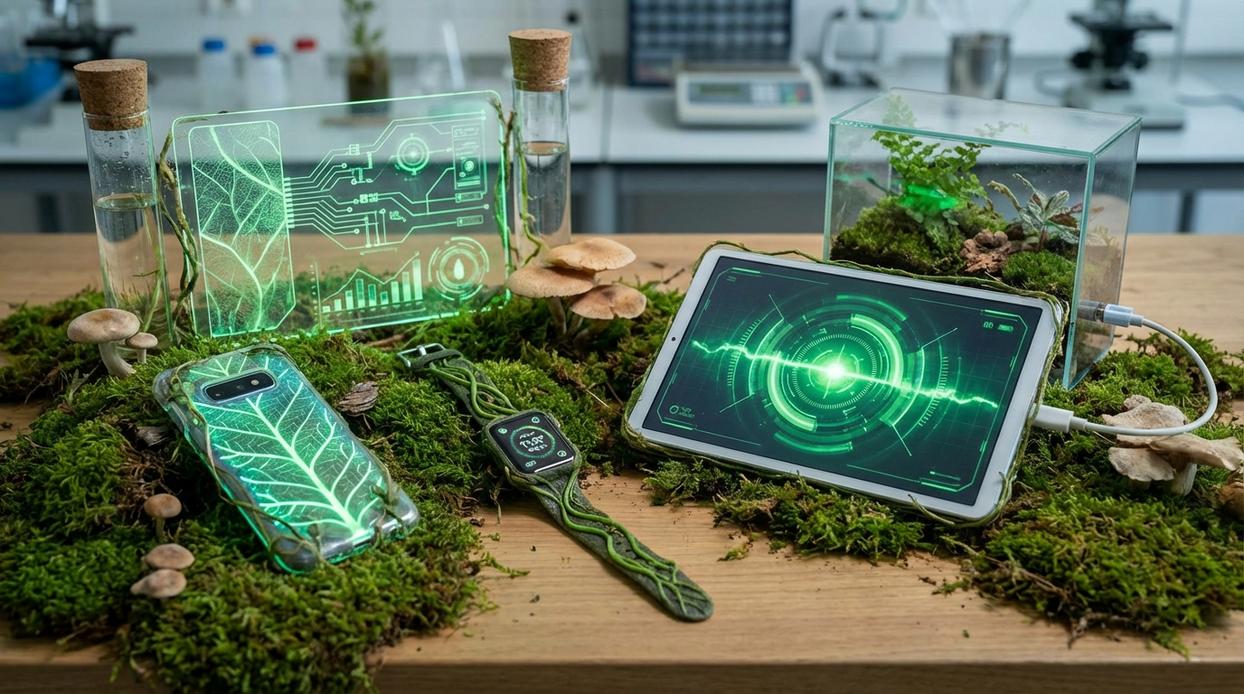
Biohybrid devices aren’t just science fiction anymore—they’re here, and they’re transforming how we understand and interact with the human body.
Still, with any new technology, readers ask: What do I actually do with this info? Here’s what we recommend based on the latest innovations.
1. Organ-on-a-Chip (OOC) Platforms
Why it matters: These microfluidic chips simulate organ behavior more accurately than traditional petri dishes or even animal testing.
Recommendation: If you’re in biotech R&D or pharmaceuticals, start integrating OOC early in your drug testing pipeline. Companies using OOC are seeing faster turnaround on pre-clinical testing—cutting costs and ethical concerns (mice everywhere just exhaled in relief).
Pro tip: Look for modular platforms that allow testing multiple organs in sync—think of it as Netflix binge-watching for cell biology.
2. Smart Implants and Neural Interfaces
Why it matters: Devices are no longer just implants—they’re interfaces. Smart coatings help them talk to your body, not just sit there passively.
Recommendation: If you’re in medtech R&D or device procurement, prioritize implants with integrated bioactive feedback. These are already redefining how pacemakers, cochlear devices, and prosthetics respond in real time to the nervous system.
Pop culture nod: It’s like having your own Jarvis, just implanted.
3. Advanced Biosensors
Why it matters: These sensors go beyond step counts—they detect enzymes, antibodies, and even environmental hazards with medical-grade precision.
Recommendation: Healthcare providers and performance coaches alike should adopt biosensors for real-time biomarker tracking. Chronic illness management, fitness thresholds, even toxin exposure can now be personalized.
And if you’re wondering how this all ties back to the future of sustainable tech, you’ll want to see why sustainable tech innovation matters more than ever. (Spoiler: the next-gen devices are as green as they are smart.)
Because let’s face it: staying passive while tech evolves this fast? That’s the real risk.
Overcoming Key Hurdles: The Engineering and Biological Challenges
Imagine holding a device no larger than a paperclip—sleek, metallic, cool to the touch. Now imagine it living inside a human body for years, seamlessly integrating with tissue, nerves, and biological rhythms. That’s the promise—and the problem.
Start with biocompatibility. The wrong materials can trigger immune alarms like a smoke detector catching steam. Swelling, heat, and rejection can unravel everything. Engineers often turn to polymers and nanocoatings, tweaking their texture at the microscopic level to make them feel “invisible” to the body (think of it like giving your device a diplomatic passport).
Then there’s long-term stability. Biological elements—cells, proteins—aren’t built for silicon surroundings. They warp, degrade, sometimes die. Keeping them alive means simulating a tiny, humid sanctuary inside a synthetic shell.
Next? Power and data. No wires allowed. So researchers lean on signals sent through skin or implantable batteries—but those come with bulk and overheating risks (hot tech isn’t always a compliment).
And finally, manufacturing at scale feels like baking a soufflé a thousand times without it collapsing once. With biohybrid devices, consistency is a science and an art.
The Future of Personalized, Integrated Medicine
Medicine has come a long way—but most devices still act like strangers in a living body.
Traditional implants and monitoring systems are inert. They don’t adapt, they don’t heal, and they certainly don’t communicate with biological systems. That disconnect is holding healthcare back.
If you’ve been exploring how to create devices that do more than just function—devices that respond, support, and integrate—then you’re in the right place.
You now understand the core promise of biohybrid devices. These aren’t just tools—they’re partnerships with the body. Built from both synthetic and biological materials, biohybrid devices represent a truly symbiotic approach to medicine: ones that can heal, monitor, and assist from within.
But this is just the beginning.
The next leap is using AI and automation to accelerate their design. This means faster development, smarter adaptation, and real customization for every patient.

 Jacob K. has opinions about emerging device trends and platforms. Informed ones, backed by real experience — but opinions nonetheless, and they doesn't try to disguise them as neutral observation. They thinks a lot of what gets written about Emerging Device Trends and Platforms, Expert Advice, Bavayllo AI and Automation Insights is either too cautious to be useful or too confident to be credible, and they's work tends to sit deliberately in the space between those two failure modes.
Reading Jacob's pieces, you get the sense of someone who has thought about this stuff seriously and arrived at actual conclusions — not just collected a range of perspectives and declined to pick one. That can be uncomfortable when they lands on something you disagree with. It's also why the writing is worth engaging with. Jacob isn't interested in telling people what they want to hear. They is interested in telling them what they actually thinks, with enough reasoning behind it that you can push back if you want to. That kind of intellectual honesty is rarer than it should be.
What Jacob is best at is the moment when a familiar topic reveals something unexpected — when the conventional wisdom turns out to be slightly off, or when a small shift in framing changes everything. They finds those moments consistently, which is why they's work tends to generate real discussion rather than just passive agreement.
Jacob K. has opinions about emerging device trends and platforms. Informed ones, backed by real experience — but opinions nonetheless, and they doesn't try to disguise them as neutral observation. They thinks a lot of what gets written about Emerging Device Trends and Platforms, Expert Advice, Bavayllo AI and Automation Insights is either too cautious to be useful or too confident to be credible, and they's work tends to sit deliberately in the space between those two failure modes.
Reading Jacob's pieces, you get the sense of someone who has thought about this stuff seriously and arrived at actual conclusions — not just collected a range of perspectives and declined to pick one. That can be uncomfortable when they lands on something you disagree with. It's also why the writing is worth engaging with. Jacob isn't interested in telling people what they want to hear. They is interested in telling them what they actually thinks, with enough reasoning behind it that you can push back if you want to. That kind of intellectual honesty is rarer than it should be.
What Jacob is best at is the moment when a familiar topic reveals something unexpected — when the conventional wisdom turns out to be slightly off, or when a small shift in framing changes everything. They finds those moments consistently, which is why they's work tends to generate real discussion rather than just passive agreement.