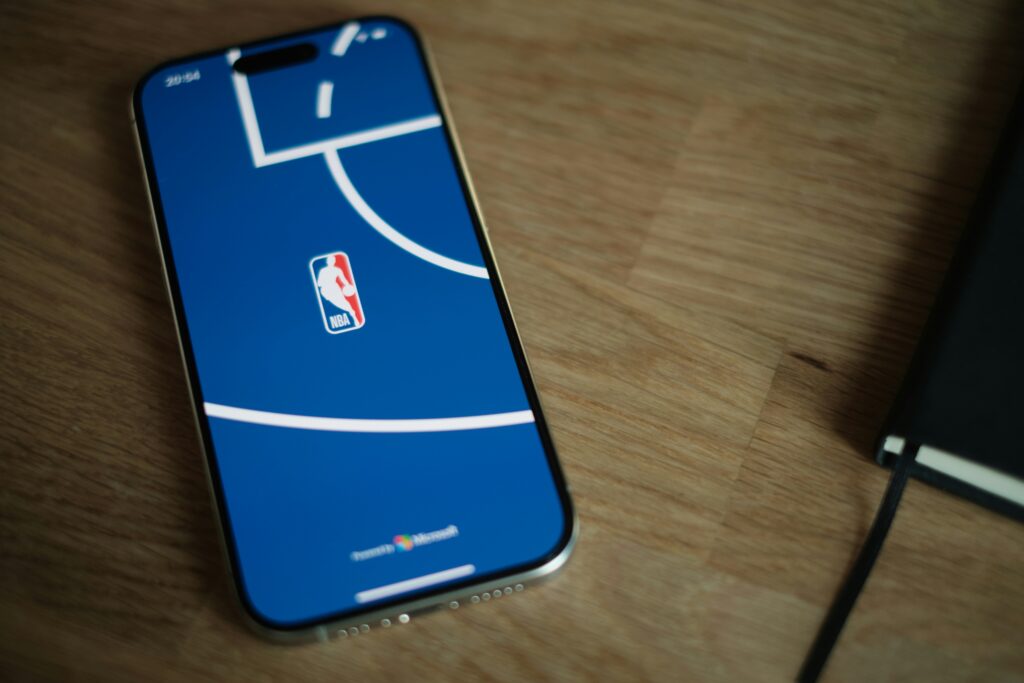
The way NBA fans consume basketball has changed dramatically over the past decade. While television remains a major part of the viewing experience, smartphones have become an essential second screen for millions of basketball supporters. From checking live scores and player statistics to engaging on social media and ordering food during games, app usage now plays a central role in how fans interact with the sport.
Recent consumer research has shown that NBA viewers are among the most digitally engaged sports audiences in the world. The modern basketball fan rarely watches a game without simultaneously using multiple apps, creating new opportunities for teams, brands, broadcasters, and advertisers to connect with audiences.
As discussions around player performances, fantasy leagues, trade rumors, and NBA odds continue to heat up throughout the season, mobile devices have become the primary gateway through which fans stay connected to the league.
The Rise of the Second-Screen NBA Fan
Historically, watching basketball was a relatively straightforward experience. Fans tuned into a broadcast, watched the game, and perhaps discussed the results the following day.
Today, that experience looks very different.
According to consumer research conducted by Digital Turbine, 67% of NBA viewers planned to watch the NBA Finals through traditional television or cable broadcasts, but 38% also intended to watch games via mobile devices. This demonstrates how viewing habits are increasingly spread across multiple screens rather than relying solely on television.
The modern NBA fan often watches games while simultaneously:
- Checking player statistics
- Browsing social media
- Participating in fantasy sports
- Watching highlights
- Reading expert analysis
- Messaging friends about the game
The result is a far more interactive viewing experience than previous generations enjoyed.
Sports Apps Lead Usage Before Tip-Off
One of the most interesting findings from recent studies is how active NBA fans are before games even begin.
Research found that sports applications are the most frequently used category before tip-off, with approximately 54% of NBA viewers opening sports-related apps ahead of game time.
These apps are commonly used for:
- Injury updates
- Starting lineup announcements
- Live standings
- Player statistics
- Breaking news
- Team updates
Fans increasingly want access to information before games start, particularly during the playoffs when roster changes and injury reports can significantly impact matchups.
The NBA’s own official app remains one of the most popular destinations for this content, alongside media outlets such as ESPN, Bleacher Report, The Athletic, and Yahoo Sports.
Social Media Remains Essential
Social media has become one of the most important app categories for NBA audiences.
Platforms such as Instagram, X, TikTok, Facebook and YouTube all play a major role in basketball consumption. NBA fans use these apps to:
- Follow players
- Watch highlights
- View post-game interviews
- Engage with memes
- Participate in discussions
The NBA has consistently been one of the world’s most social-media-friendly sports leagues. Players often maintain strong personal brands, giving fans direct access to content beyond the games themselves.
For younger audiences especially, social media often serves as their primary source of basketball content.
Food Delivery Apps Are Part of the Game-Day Routine
One surprising trend involves food delivery applications. It was found that approximately 37% of NBA viewers use food delivery apps before game time.
Popular services included:
- Uber Eats
- DoorDash
- Deliveroo
- Grubhub
The research also showed that many viewers spend between $10 and $50 on food and beverages while watching games from home.
This highlights how NBA viewing has evolved into a broader entertainment experience. Fans are increasingly creating game-night routines that combine sports, socializing, and convenience. For advertisers, this presents valuable opportunities to target consumers during highly engaged viewing periods.
Mobile Gaming During Live Games
Basketball fans are not always fully focused on the television screen. Research indicates that approximately 40% of NBA viewers use gaming apps while watching live games.
This behavior is particularly common during:
- Halftime breaks
- Commercial interruptions
- Timeouts
- Replay reviews
Casual mobile games remain popular because they provide quick entertainment without requiring significant attention.
For developers, NBA broadcasts represent valuable engagement windows where audiences are already spending extended periods on their devices.
Messaging and Communication Apps Dominate During Games
One of the most frequently used app categories during NBA games is messaging. According to survey data, nearly 60% of viewers actively use text messaging while watching live basketball.
Fans commonly use communication apps to:
- Discuss key plays
- Debate referee decisions
- Share reactions
- Coordinate watch parties
- Exchange memes and highlights
Basketball is increasingly becoming a communal experience, even when fans are physically separated. Group chats often become virtual watch parties during major playoff games and NBA Finals matchups.
Fantasy Sports Continue to Drive Engagement
Fantasy basketball has become another major driver of app usage. These apps encourage fans to:
- Track player performances
- Monitor injuries
- Analyze statistics
- Follow multiple games simultaneously
This deeper engagement often extends viewing time and increases overall interaction with NBA content. Fantasy participants typically consume more basketball-related media than casual fans because they have a vested interest in a wider range of players and teams.
Smartphones Have Become the Information Hub
Perhaps the most important finding from modern NBA audience research is the dominance of smartphones. Studies show that roughly 58% of NBA viewers prefer smartphones as their primary device for accessing supplemental content during games.
Compared with connected televisions, desktop computers, laptops, tablets and smartphones provide the convenience and speed today’s audiences expect.
Fans increasingly rely on their phones for:
- Real-time statistics
- Social media updates
- Breaking news alerts
- Highlights
- Streaming access
The smartphone has effectively become the command center of the NBA fan experience.
Why Brands Are Investing in NBA Audiences
The high level of app engagement among NBA fans has attracted significant advertising investment. Live sports remain one of the few content categories that consistently generate large real-time audiences.
Because fans actively use multiple apps before and during games, brands can reach consumers across numerous touchpoints.
Advertisers increasingly target NBA audiences through:
- Social media campaigns
- Mobile video advertisements
- Interactive content
- In-app promotions
- Sponsored statistics and highlights
This creates an ecosystem where fan engagement extends far beyond the live broadcast itself.
Looking Ahead
As technology continues evolving, app usage among NBA fans is likely to become even more sophisticated.
Emerging trends include:
- AI-powered content recommendations
- Augmented reality experiences
- Personalized highlights
- Interactive live statistics
- Enhanced streaming integrations
Younger audiences are particularly driving these changes, with mobile-first consumption becoming increasingly common across sports.
The future NBA fan may spend as much time interacting with apps as they do watching the game itself.
The modern NBA fan is one of the most digitally connected sports consumers in the world. Smartphones, social media platforms, sports apps, messaging services, fantasy sports tools, and food delivery applications all contribute to a richer and more interactive viewing experience.
What was once a television-only activity has evolved into a fully connected ecosystem powered by mobile technology. As the NBA continues to grow globally, understanding how fans use apps before, during, and after games will become increasingly important for teams, broadcasters, advertisers, and technology companies looking to engage one of sport’s most active audiences.