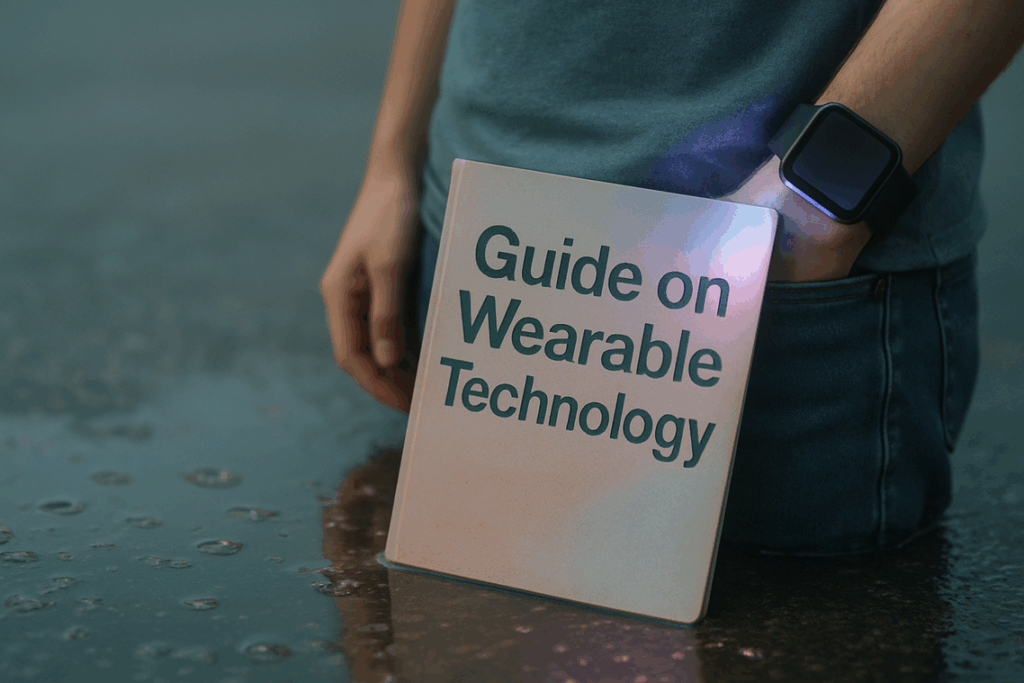
You’re here because the world of advanced wearables is moving faster than ever—and you’re trying to figure out what’s actually worth paying attention to.
Every month brings a wave of new devices promising to change how we monitor health, boost productivity, or stay connected. But with all the buzzwords and shiny launches, it’s tough to separate real innovation from clever marketing.
That’s why we dove deep. We’ve spent hundreds of hours testing what’s out there—peeling back the layers of sensors, AI features, and biometric tracking to see what actually works in the real world.
This guide breaks down the most important trends in advanced wearables, explains the core technologies powering them, and gives you a clear strategy for picking the device that fits your life—not someone else’s hype.
No gimmicks. Just what’s working, what’s real, and what’s coming next.
Beyond the Watch: The New Wave of Wearable Form Factors
“Honestly, I forget I’m even wearing it,” said Jordan Lin, a fitness coach in Austin, TX, when asked about his Oura Ring. “But the data is so spot on—especially around sleep and recovery—it’s kind of eerie.”
Smart rings like the Oura and the Ultrahuman Ring Air are leading a quiet revolution. No screens, no buzzes—just serious biometric insights tucked into a minimalist design. For folks tired of clunky watches flashing notifications mid-yoga (we see you, smartwatches), these rings offer a refreshingly subtle alternative with a surprisingly extensive sensor suite.
But let’s shift the lens—literally.
AR glasses are next in the wearable lineup, blurring the border between real-world interaction and digital interface. Ray-Ban Meta glasses let users capture photos on the fly and hear messages read aloud, all without pulling out a phone. One user called them “the ultimate stealth assistant.” The more advanced models push into territory once reserved for sci-fi: directional navigation overlays, real-time translation, and context-aware prompts. (Minority Report vibes, anyone?)
Further down the spectrum, advanced health patches & biosensors are changing how chronic conditions are managed. Continuous glucose monitors (CGMs), once only for diabetics, are now being embraced by endurance athletes and biohackers keen on metabolic insights. These patches provide constant, real-time health data—minus the blood tests or wearable bulk.
And finally, meet your new AI-powered co-pilot: hearables. Devices like the latest Pixel Buds and Galaxy Buds aren’t just piping music—they’re monitoring your heart rate, adjusting sound based on movement, and whispering useful info mid-run. As voice assistants grow smarter, these buds toe the line between convenience and full-on digital companion.
What ties all these innovations together? They’re all part of the rise of advanced wearables—quietly powerful, increasingly invisible, and smarter than ever.
The Core Tech Driving Innovation: AI, Sensors, and Battery Life
Start with an anecdote about waking up groggy and checking your fitness wearable only to find out you got “8 hours” of sleep—but felt nothing like it.
That was me last month. But instead of shrugging it off, my device’s AI personal coach flagged disrupted REM cycles, spike in overnight heart rate, and even rising skin temperature. Turns out, I was fighting off the flu. The AI, which runs both on my wrist and in the cloud, didn’t just track—it interpreted the data and recommended adjustments to my weekly schedule. (Let’s just say my 6 a.m. spin class was canceled.)
Of course, not everyone trusts this much data-seepage. Some argue real coaching needs a human touch, not machine-driven interventions. I get it. But in consistently converting raw numbers into real advice, AI’s edge is that it keeps showing up—and adjusts faster than a human trainer ever could.
The transformation goes deeper with next-generation biometric sensors. We’re not just talking heart rate anymore. Devices now track electrodermal activity (EDA) to understand stress, measure skin temperature to flag early signs of illness, and are inching closer to non-invasive blood pressure monitoring. That’s tech once reserved for clinics—now on your wrist.
Pro tip:
Pair EDA data with mindfulness sessions on your wearable. You might be shocked how often stress spikes during your “relaxing” TV time.
Then there’s the elephant in the room: battery life. High-powered sensors and always-on AI should drain power like a leaking faucet. But today’s devices are using low-power displays and smarter chips to stretch between charges. My current wearable? Five full days with active health tracking and GPS. (That’s longer than my last vacation lasted.)
And all of this only works if it talks to the rest of your digital life. Seamless ecosystem integration means your watch knows when you’re home, your thermostat adjusts, and your sleep score shows up alongside your calendar. The real modern assistant isn’t a single gadget—it’s the network.
This, right here, is the promise of advanced wearables. No longer just step counters—they’ve become personal wellness hubs. Powered by AI, grounded in human behaviors, and finally lasting longer than a coffee buzz.
A Practical Guide to Choosing Your Next Wearable
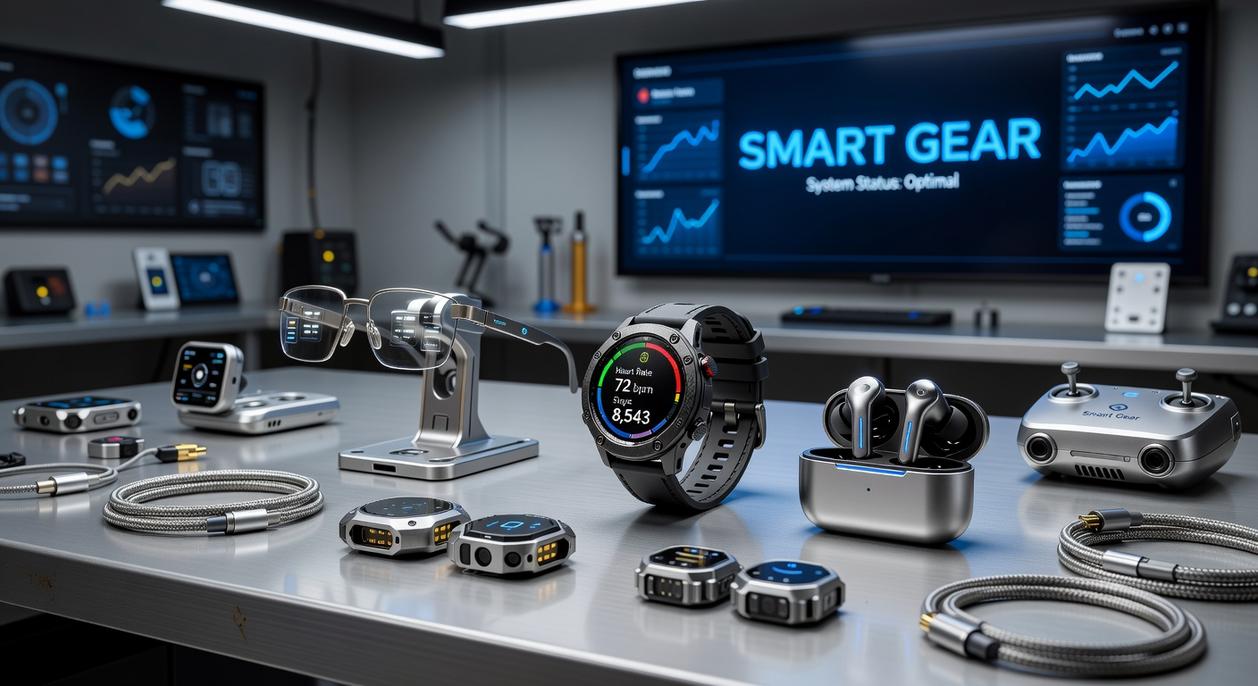
It’s tempting to think picking a wearable is just about grabbing the latest gadget with the most features. But more isn’t always better (unless you’re talking fries—then maybe).
Some folks argue that any top-tier wearable can serve all purposes. But here’s the thing: general-purpose devices often fall short when it comes to specific needs.
Take a step back and follow this route:
-
Define Your Primary Goal
Sure, you could buy the most hyped device on the shelf—but what’s it for? Tracking marathon pace? Helping you focus with fewer distractions? Monitoring a heart condition? Your goal should shape your shortlist. -
Match the Device to Your Lifestyle
Glasses may look sleek, but if you’re into triathlons, a waterproof watch might make more sense. Conversely, that tough, rugged outdoorsy design? Not ideal for someone who lives in spreadsheets. -
Check Your Smartphone’s Ecosystem
Critics say “just pair and go,” but not all ecosystems play nice. Many wearables lose core functions when paired with non-native platforms. (Pro tip: Always check feature availability per OS on the brand’s FAQ page.) -
Investigate the Software and Subscription
The device is only half the story. The companion app needs to feel intuitive—not like you’re decoding The Matrix. And yes, those insights locked behind subscriptions? That’s extra budget you need to plan for.
Some may argue that advanced wearables will “learn your habits over time” no matter what you choose. But without the right foundation, all that AI-enhanced guesswork won’t help you meet your specific goals.
It’s not about more tech—it’s about smarter choices that fit you. For more on the future of wearables and immersive tech intersections, check out what developers need to know about xr ready devices.
Common Wearable Issues and How to Fix Them
Wearables can be a game-changer—until they start acting up. If you’re suddenly seeing inaccurate heart rate data or your GPS is way off (saying you ran across a lake? Not impressive), the likely culprit is fit or calibration. Make sure the wearable is snug but not uncomfortably tight, clean the sensors regularly with a microfiber cloth, and wait for GPS lock before beginning any activity. (Pro tip: rushing your warm-up is bad for both you and your stats.)
Got a battery draining faster than your motivation on leg day? It’s often caused by rogue apps or non-essential background features. Head into settings to shut these off, and try a soft reset—hold the power button for 10 seconds, then restart.
If your wearable won’t sync? Classic. Start with the basics: toggle Bluetooth, restart both devices, and check for any software or app updates. Advanced wearables are only as good as the devices they connect to—so make sure both sides are speaking the same language.
Integrating Technology with Your Life
Technology should fit into your life—not complicate it.
For many, advanced wearables seemed promising but overwhelming. With so many devices flooding the market, more features often meant more confusion. What you really needed was clarity: which wearable fits your goals, habits, and everyday routines?
Now you have it.
You’ve explored the world of advanced wearables—from AI-packed trackers to sensor-rich health monitors—and you understand how form factor and ecosystem matter just as much as specs.
You came here to gain insight, and you’re walking away with a roadmap. The guesswork is gone.
Here’s what to do next: Step beyond buzzwords. Apply what you’ve learned to choose a wearable built for your lifestyle. Whether your focus is productivity, fitness, or overall wellness, now is the time to invest in a tool, not a toy.
Thousands trust our deep-dive tech breakdowns for a reason: they work.
Pick your device with purpose—and make your tech work for you.