
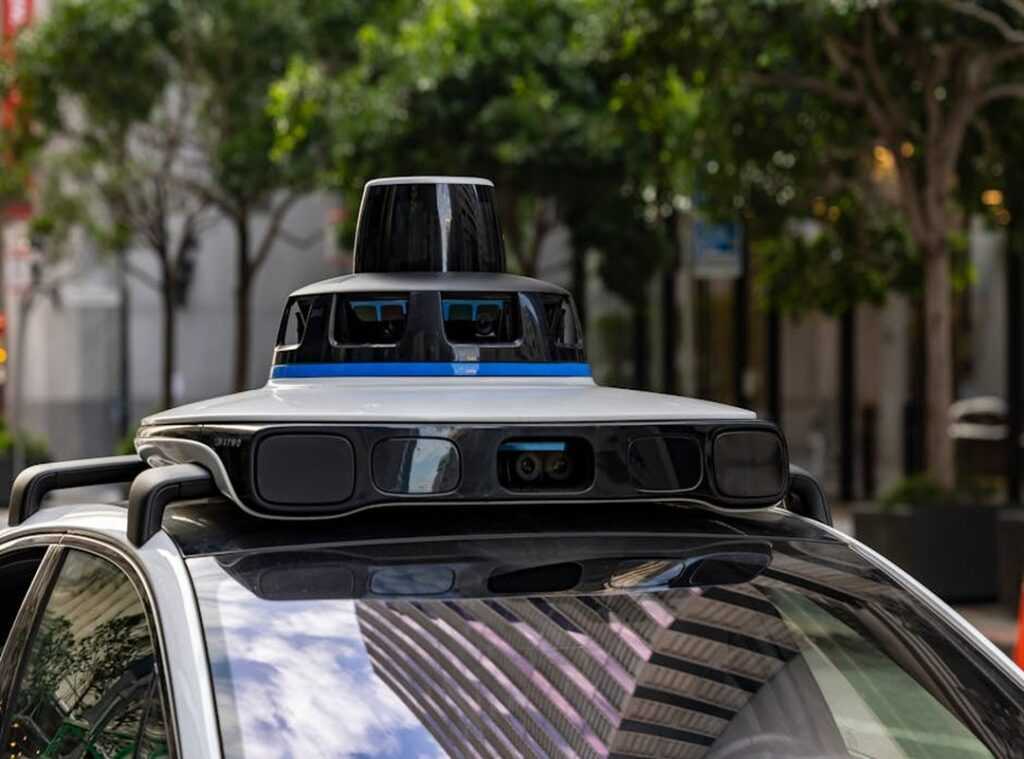
The dream of self-driving cars feels like science fiction, doesn’t it? Yet here we are, witnessing tangible progress. The problem?
It’s hard to tell what’s real and what’s just marketing buzz. You might wonder: Which advancements in autonomous vehicles really matter? That’s exactly what I’m here to clarify.
This article cuts through the noise. It’s not about flashy headlines or hype. Instead, I focus on the core engineering and AI innovations driving the next wave of autonomy.
With takeaways into self-driving cars innovations, I’ll show you the true technological pillars (from advanced sensors to smarter AI) that are shaping the industry.
You’ll get a precise breakdown of what’s truly defining the future. Confused by all the noise out there? I’ve got you covered.
The Sensing Revolution: AVs See the World Like Never Before
When it comes to self-driving cars innovations, their ability to “see” is key. Forget the fancy algorithms for a moment. If an autonomous vehicle can’t perceive its environment clearly, it’s just a rolling computer.
LiDAR technology has been the backbone of this perception. But let’s be real. Older mechanical LiDAR units are bulky and expensive.
The shift to solid-state LiDAR isn’t just a tweak; it’s a game-changer. By ditching moving parts, solid-state LiDAR slashes costs and boosts reliability. And that’s not just good news; it’s important.
Rain, fog, snow? No problem. Imagine the advantage of cruising through a heavy downpour without losing track of the road.
Enter 4D imaging radar. This isn’t your standard radar. It measures an object’s velocity and works in weather conditions that make LiDAR and cameras cry uncle.
It’s a huge leap.
Yet, the real hero here might be sensor fusion. It’s not about picking the best sensor. Instead, it’s about smart AI algorithms combining data from cameras, LiDAR, and radar into one crystal-clear 3D model.
The car knows exactly what’s around it. It’s like magic, but real. For that big edge, check out the next gen robotics innovations watch.
So, what’s next? I’ve got my eye on sensor fusion, and frankly, so should you. As autonomous vehicles become more common, this tech could be the difference between a self-driving revolution and just another tech fad.
The AI Brain: Driving Decisions and Predictive Power
Think about self-driving cars. They’re not just following a set of rules anymore. They’ve evolved from clunky, rigid systems to something more akin to human intuition.
It’s like the difference between learning to drive and just following GPS instructions. These self-driving cars innovations are powered by AI, the real “brain” making all the driving decisions.
Computer vision has taken a leap forward. It’s not just about seeing a pedestrian; it’s about predicting that pedestrian’s next move. Ever wondered how this works?
Just look at how do self-driving cars work. AI now has the power to understand not just objects, but their intents. The result?
A more human-like driving experience that’s smooth and adaptive.
Then there’s behavioral cloning. Sounds fancy, right? It’s the process where AI learns from human drivers by watching them.
But it doesn’t stop there. Reinforcement learning kicks in, letting the system learn from simulated scenarios. So, even without experiencing every possible traffic situation in real life, the AI can handle complex edge cases.
These advancements don’t just tweak the system; they redefine it. By imitating human decision-making and learning on the fly, these cars are becoming more intuitive. The magic lies in combining multiple techs to mimic human-like behavior in traffic.
It’s no longer just about getting from point A to B. It’s about doing it smartly. Welcome to the road of the future.
Connecting the Fleet: V2X’s Key Role
Ever thought about how self-driving cars innovations work together? It’s all about Vehicle-to-Everything (V2X) communication. I see it as the “nervous system” for autonomous vehicles, connecting them to their environment.
Imagine a car ahead warning you of black ice. That’s V2V (Vehicle-to-Vehicle) communication. It’s like having a friend on the road (but without the chatter).
Then there’s V2I (Vehicle-to-Infrastructure). Picture a traffic light sending signals to your car. It tells you when it’ll turn green, so you can coast instead of stop-start.
It’s a dance of efficiency and fuel-saving. V2P (Vehicle-to-Pedestrian) is key too. Think of a car sensing a pedestrian stepping off the curb.
It’s a lifesaver, literally.
5G and edge computing are the backbone here. Their low latency makes these real-time interactions reliable and safe. They’re the unsung heroes of autonomous tech.
Without them, the whole system falls apart.
Want more tech takeaways? Check out blockchain technology recent breakthroughs. It’s fascinating how these innovations tie into everything.
So, are you ready for a future where cars talk to everything around them? It’s not sci-fi anymore.
From Lab to Reality: Accelerating Deployment
When it comes to self-driving cars innovations, the biggest hurdle is the cost, time, and danger of real-world testing. Seriously, who wants to risk lives to see if a car can handle a tire blowout on a busy highway? high-fidelity simulation steps in (and not just as some fancy video game).
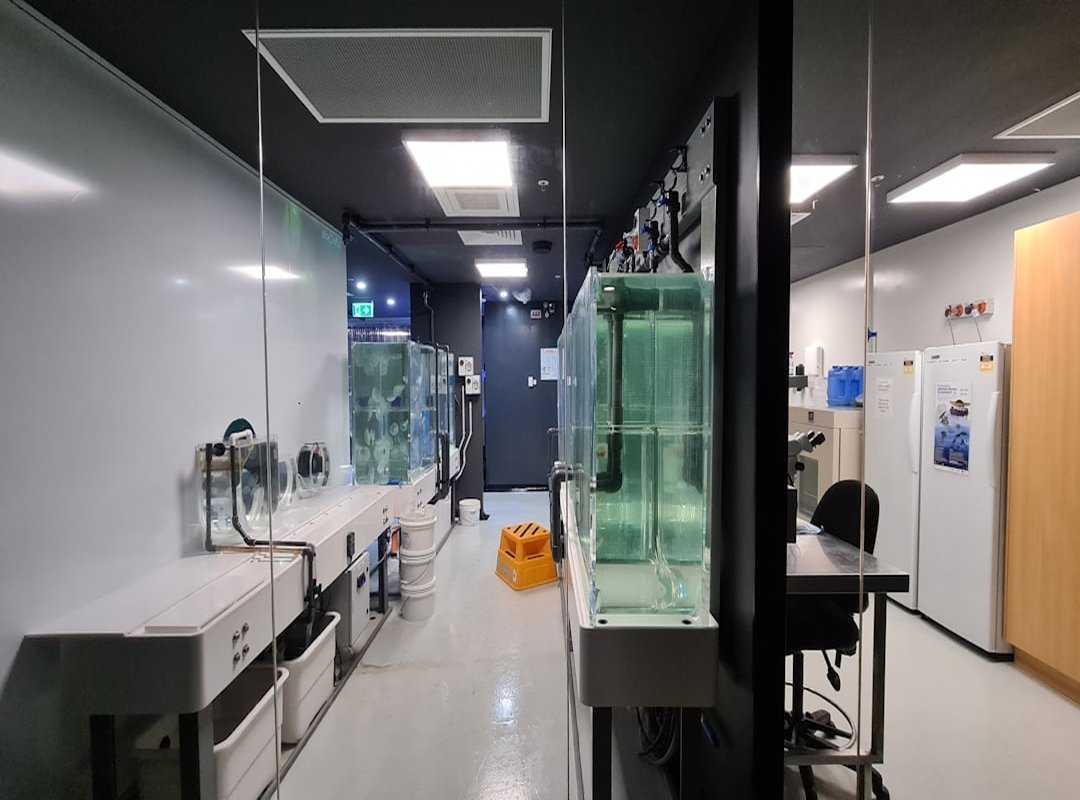
These simulations create photorealistic, physically accurate virtual worlds. Imagine driving billions of miles without leaving the lab. It’s like being in a sci-fi movie, but it’s happening now.
The tech allows us to safely test those rare edge cases that would be a nightmare on actual roads. Tire blowouts, sudden pedestrian crossings. All tackled without real-world risks.
Recent advancements? They’re mind-blowing. AI now powers these simulations to create environments that mirror reality so closely it’s hard to tell them apart.
This isn’t just about testing; it’s about speeding up development cycles. Faster cycles mean quicker deployment. And let’s be honest, building regulatory and public trust is key.
Nobody wants to be a guinea pig for new tech.
So, why aren’t we all in on this yet? The potential is enormous. It’s about making roads safer, sooner.
And who doesn’t want that?
The Next Frontier: Overcoming Self-Driving Challenges
Level 5 autonomy in self-driving cars feels like sci-fi. But let’s talk about what’s actually happening now. The real game-changer isn’t the full autonomy dream.
It’s the self-driving cars innovations tackling harsh weather. Snow and rain are nightmares for sensors, right? New systems are emerging to keep those sensors squeaky clean.
Plus, AI models are getting better at interpreting noisy data.
Urban environments pose another massive hurdle. Picture a city street (chaotic,) unpredictable. AI is being trained to handle it all, even understanding hand signals from traffic officers (impressive, right?).
And let’s not forget cybersecurity. It’s a big deal. End-to-end encrypted systems are in development to fend off malicious attacks.
This is key for trust in autonomous tech.
We may not have flying cars yet, but these advancements are solving today’s real challenges. That’s progress.
Where We’re Headed with Autonomous Mobility
Here’s the deal: self-driving cars aren’t about one big breakthrough. They’re about a web of interconnected advances. It’s tough navigating the hype around these self-driving cars innovations.
But now you get it. You’ve cracked the code on sensing, AI, and connectivity. So where do we go from here?
Keep digging into AI, automation, and emerging tech. This knowledge arms you for the future. Want to stay ahead?
Dive deep into bavayllo.com. They break down the noise, offering clear takeaways. Ready to future-proof your understanding of mobility?
Explore more. Stay informed. Stay curious.