Ever feel like your smart home devices are more like isolated gadgets instead of a cohesive system? You’re not alone. Many homeowners struggle with this disconnection.
It’s frustrating, isn’t it? This article slices through the chaos of fleeting gizmos to spotlight the smart home devices trends that actually matter. We dive deep into the tech shifts (think AI and interoperability) shaping truly intelligent homes.
Not just a product list. Real takeaways into what’s driving innovation. Stick around and you’ll get a clear, forward-looking guide explaining not just what’s trending, but why it matters for the future of your home.
Trust me, it’s worth it.
Trend 1: Walled Gardens Fall with Universal Interoperability
Let’s be honest. Smart home devices are frustrating when they don’t play nice together. We’ve all been there: you’re setting up a new gadget, and surprise, it just won’t sync with your other devices.
Apple, Google, Amazon. The big names often keep their tech locked in their own ecosystems, turning your home into a digital battleground of isolated systems.
But here’s the good news. The Matter protocol is changing everything. Think of it as a universal translator for your devices.
Suddenly, your gadgets can communicate smoothly, like they’ve been speaking the same language all along. And it’s not just a fad. It’s the bedrock of future innovations.
Matter simplifies setups. You don’t have to be an engineer to connect a smart bulb anymore. Want a practical example?
Imagine buying a smart lock that instantly syncs with your existing smart lights and voice assistants. No hacks, no headaches. Just plug and play.
It’s that simple.
Then there’s Thread, another key player. As a mesh network, it offers a reliable and local control over your devices. No more reliance on distant cloud servers to switch off your lights.
Your network, your rules.
This isn’t just about convenience. It’s about choices. You get to pick devices based on what you actually want, not just what’s compatible.
This makes the “smart home devices trends” more exciting.
Oh, and speaking of connectivity, take a look at how 5g technology devices leading are transforming our digital space. It’s all part of the same movement toward smooth integration.
Proactive AI: The New Frontier in Smart Homes
Remember when home automation meant setting up rules like “IF the sun sets, THEN turn on the lights”? Those days are fading fast. What we have now is reactive automation.
It waits for an event to happen before it takes action. But we’re shifting towards something more deep: proactive AI. This means your home anticipates your needs before you even realize them.
Wild, right?
So, how does this proactive stuff work? It’s all about your home learning your patterns. Imagine your lights adjusting automatically.
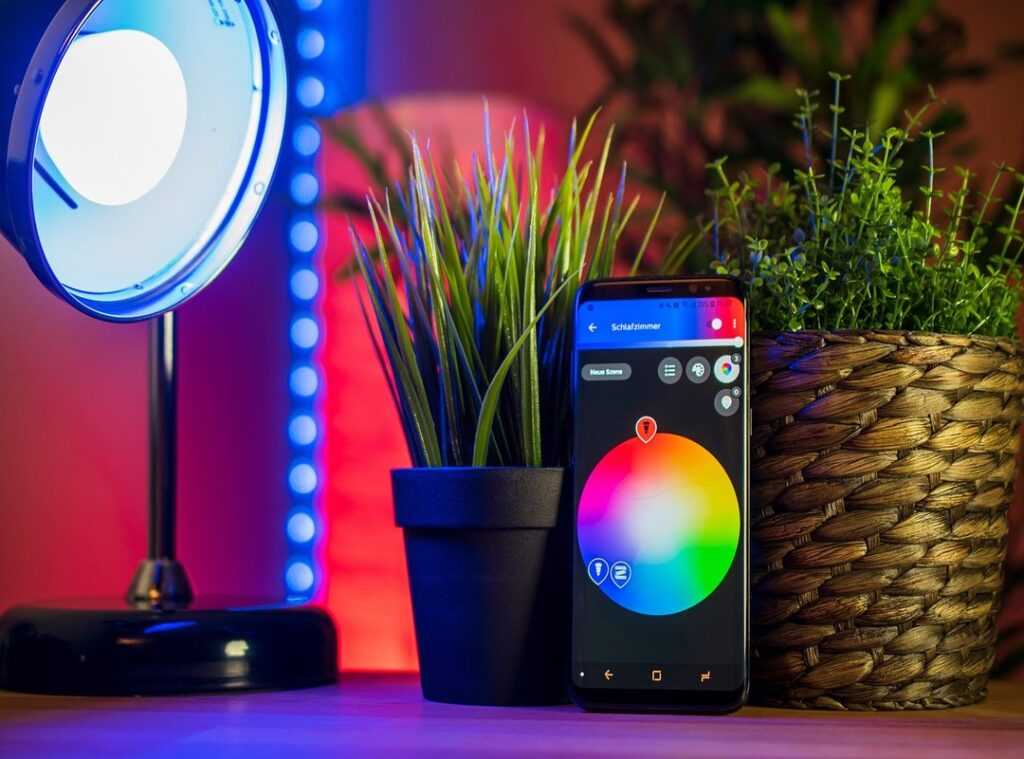
Not just turning on but changing color temperature based on the time of day and your mood. Or think about a thermostat that doesn’t just stick to a schedule but checks real-time weather data and your calendar to decide when and how to heat your home. That’s what we’re talking about.
This shift is at the heart of what we call “ambient computing.”
Here’s where it gets really fascinating: Edge AI. This is the tech that powers these proactive systems. The magic of Edge AI is that it processes data right on your device.
No need to beam everything up to the cloud. Why is this a game-changer? It’s faster, more reliable, and critically, it keeps your data private.
Less data traveling back and forth means less chance of it ending up where it shouldn’t.
This isn’t just theory. Take a look at emerging smart home devices trends. Many are jumping on the proactive AI train.
And rightly so. These systems mean less hassle and more intuitive living.
Pro tip? If you’re considering upgrading your home tech, look for devices leveraging Edge AI. They provide better performance but also peace of mind when it comes to privacy.
The once-futuristic dream of a home that thinks and acts on its own is no longer just a sci-fi fantasy. It’s happening now. Are you ready for it?
Trend 3: Home Health and Resource Management
When we talk about smart home devices trends, it’s not just about turning on lights with your voice. It’s about how these devices impact our well-being and efficiency. We’re getting smarter with how we manage this tech in our homes.

Ever thought about why all those apps and devices aren’t talking to each other? They should be! The trend now is to integrate everything into a single hub.
This way, you don’t have a million notifications from different apps screaming for your attention like a toddler on a sugar high.
Let’s talk about the sensors leading the charge. Indoor Air Quality (IAQ) sensors keep an eye on CO2 and volatile organic compounds (VOCs) (yes,) the stuff you don’t want floating around your living room. Got a smart water monitor?
They detect leaks and help track usage, so you’re not burning money on water bills. Energy monitors are a game-changer too. They tell you which appliances are hogging power, kind of like that friend who never picks up the tab at dinner.
Here’s a real-world example: imagine your IAQ sensor spots that your air quality is tanking. It can activate your air purifier and ping you about it. Meanwhile, your energy monitor checks if it’s the best time to run it (saves) you money and keeps you healthy.
Isn’t that just a bit like having your own Jarvis from Iron Man?
And if you’re interested in what’s making waves beyond just smart homes, there’s also a branded boom happening with augmented reality devices. These trends show we’re not living in the Jetsons era yet, but we’re getting there. Integration is the keyword.
If these smart devices don’t play nice together, what’s the point? Start today with a complete approach (it) pays off.
Trend 4: Natural and Invisible Interfaces Unveiled
Who wants to keep tapping on screens or yelling at speakers forever? Not me, and probably not you either. We’re seeing a shift in smart home devices trends.
It’s all about moving beyond the obvious. Voice assistants are getting smarter, picking up on our natural, conversational cues rather than just following commands. They’ve come a long way from the robotic responses of a few years back.
But that’s just the beginning. Gesture controls are stepping into the spotlight, letting you wave your hand to dim the lights or change a song. It feels a bit like living in a sci-fi flick, right?
That’s the kind of invisible interface we’re talking about.
Then there’s ultra-wideband (UWB) technology. It’s getting better at pinpointing your exact location in a room. Imagine lights automatically brightening when you walk into a particular corner.
The ultimate goal? A home so in tune with you that you hardly need to lift a finger. Manual controls will be the exception rather than the rule.
As proactive AI becomes more sophisticated, our homes will anticipate our needs. Who knew the future would be this smooth (or invisible)?
Move Beyond Gadgets
You don’t need more gadgets cluttering your home. The real challenge is the lack of true, integrated intelligence. You get it now.
It’s about interoperability, proactive AI, and complete sensing. These are the smart home devices trends that matter. That understanding gives you power.
You can now make smarter buying decisions to build a genuinely fast and future-proof home.
Want to dive deeper? Explore how AI is transforming technology. Check out takeaways on emerging device platforms.
Your smart home shouldn’t just be smart; it should be truly intelligent. So what’s next? Start now.
Transform your home into a smooth space.

 Tyvian Veyland has opinions about emerging device trends and platforms. Informed ones, backed by real experience — but opinions nonetheless, and they doesn't try to disguise them as neutral observation. They thinks a lot of what gets written about Emerging Device Trends and Platforms, Expert Advice, Bavayllo AI and Automation Insights is either too cautious to be useful or too confident to be credible, and they's work tends to sit deliberately in the space between those two failure modes.
Reading Tyvian's pieces, you get the sense of someone who has thought about this stuff seriously and arrived at actual conclusions — not just collected a range of perspectives and declined to pick one. That can be uncomfortable when they lands on something you disagree with. It's also why the writing is worth engaging with. Tyvian isn't interested in telling people what they want to hear. They is interested in telling them what they actually thinks, with enough reasoning behind it that you can push back if you want to. That kind of intellectual honesty is rarer than it should be.
What Tyvian is best at is the moment when a familiar topic reveals something unexpected — when the conventional wisdom turns out to be slightly off, or when a small shift in framing changes everything. They finds those moments consistently, which is why they's work tends to generate real discussion rather than just passive agreement.
Tyvian Veyland has opinions about emerging device trends and platforms. Informed ones, backed by real experience — but opinions nonetheless, and they doesn't try to disguise them as neutral observation. They thinks a lot of what gets written about Emerging Device Trends and Platforms, Expert Advice, Bavayllo AI and Automation Insights is either too cautious to be useful or too confident to be credible, and they's work tends to sit deliberately in the space between those two failure modes.
Reading Tyvian's pieces, you get the sense of someone who has thought about this stuff seriously and arrived at actual conclusions — not just collected a range of perspectives and declined to pick one. That can be uncomfortable when they lands on something you disagree with. It's also why the writing is worth engaging with. Tyvian isn't interested in telling people what they want to hear. They is interested in telling them what they actually thinks, with enough reasoning behind it that you can push back if you want to. That kind of intellectual honesty is rarer than it should be.
What Tyvian is best at is the moment when a familiar topic reveals something unexpected — when the conventional wisdom turns out to be slightly off, or when a small shift in framing changes everything. They finds those moments consistently, which is why they's work tends to generate real discussion rather than just passive agreement.